
Holiday rental · Costa del Sol · Updated October 2026
Obligations of the owner of a tourist villa in Marbella, Las Chapas, Mijas and Fuengirola: legal audit 2026 and changes to watch for in 2027
Having a registration number isn't enough to guarantee a worry-free villa rental. Before opening your booking calendar, it's advisable to check four different aspects: whether the property can be used for tourist accommodation, what Andalusia requires, how the stay is advertised and managed, and what responsibilities the owner assumes towards guests and third parties.

First check: property, municipality and community
The starting point is to identify the property unambiguously: cadastral reference, registry details, actual address, building configuration, and the relevant municipality. Las Chapas is part of Marbella ; it is not an independent municipality. The commercial location of the advertisement also does not, by itself, determine which planning regulations apply: within the municipal boundaries, check the plot and do not rely on the neighborhood name.
Request or verify the relevant urban planning information with the town hall. Andalusian law allows municipalities to establish justified restrictions on tourist accommodation in certain areas. Therefore, before buying, renovating, or reactivating a villa, you should review the planning regulations, current municipal conditions, and any resolutions that affect the property. It is unwise to extrapolate to Mijas or Fuengirola a solution obtained for Marbella.
If the property is owned by a condominium association—which can also occur in villa developments—review the deed of constitution, bylaws, and community agreements. Since April 3, 2025, the Horizontal Property Law generally requires express approval from the community to begin the tourist activity covered by the law, through the legally required three-fifths majority of owners and their corresponding shares. The reform itself includes a provision for those who were already operating the activity in accordance with tourism regulations before it came into effect. If this applies to you, document dates and your actual situation; do not assume that an old advertisement equates to prior legal activity.
Documents that should be gathered before announcing
- Updated property registry extract, cadastral reference and documentation describing the property actually offered.
- Municipal urban planning information and, where applicable, proof of compatibility of use.
- Statutes and agreements of the community, or documentation that supports a situation prior to April 2025.
- Responsible tourist declaration submitted and data registered in the Tourism Registry of Andalusia.
A discrepancy between the registered property, the land registry, and the villa shown in photographs can stall procedures or lead to problems. Detecting this discrepancy before accepting bookings is usually less expensive than doing so during an inspection.
Andalusian tourist registry: check the file, not just the code
In Andalusia, the specific framework for tourist accommodation is established by Decree 28/2016, significantly amended by Decree 31/2024. To begin operating a tourist accommodation business, a declaration of responsibility must be submitted to the regional government, and all applicable requirements for the property and its operation must be met. Submitting the declaration does not automatically make a property compliant if it fails to meet urban planning, statutory, or material requirements; the government may subsequently verify the information provided.
The audit must verify who is listed as the operator, which property was declared, how many beds are offered, and whether the current layout and amenities match the official record. Any renovation, change of ownership or operator, or alteration of relevant data requires a review of the corresponding communications or procedures. It must also be verified that the tourist registration number used in the advertisements corresponds to that specific unit.

Equipment and operation: what a visit reveals
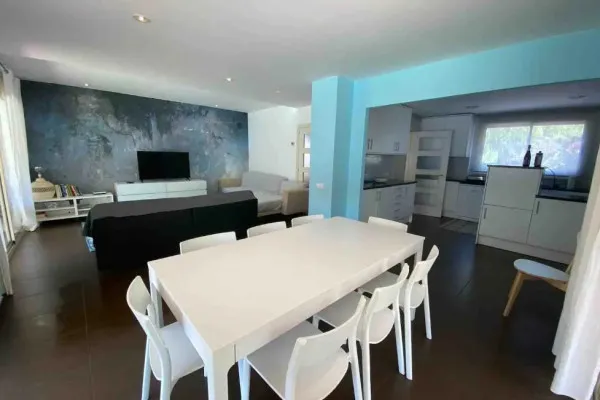
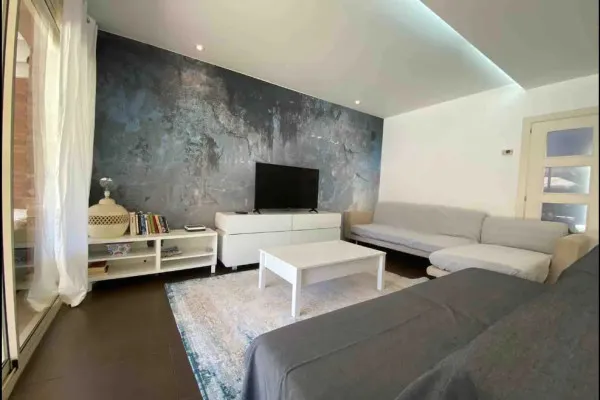
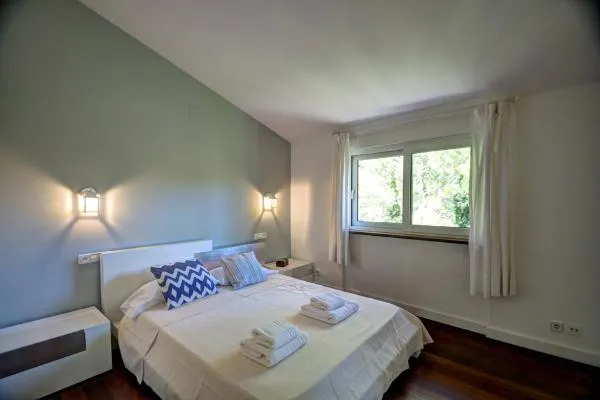
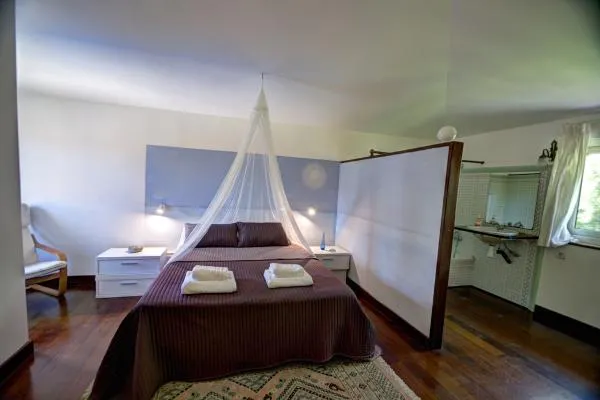
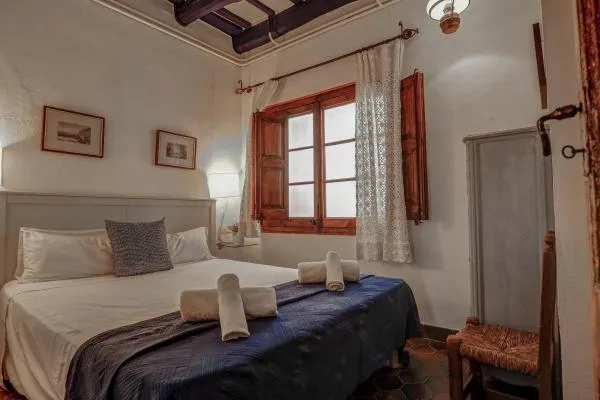
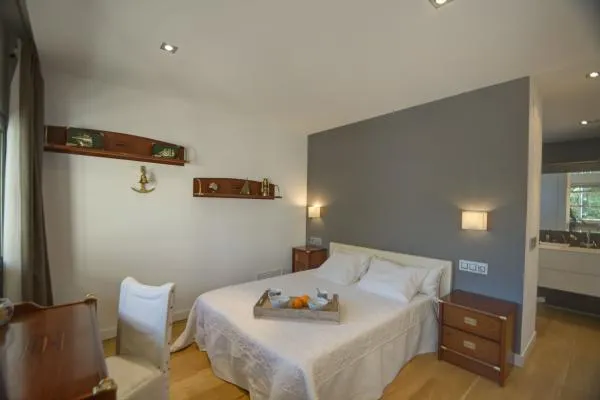
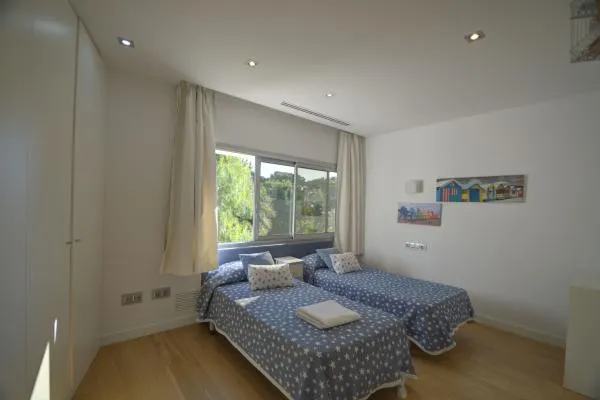
The document review must be accompanied by a visit. Verify actual capacity, furnishings, ventilation and air conditioning as required by applicable regulations, information provided to guests, cleaning between stays, and maintenance. Do not advertise rooms, annexes, or additional beds if they are not part of the declared unit or do not comply with the applicable regulations.
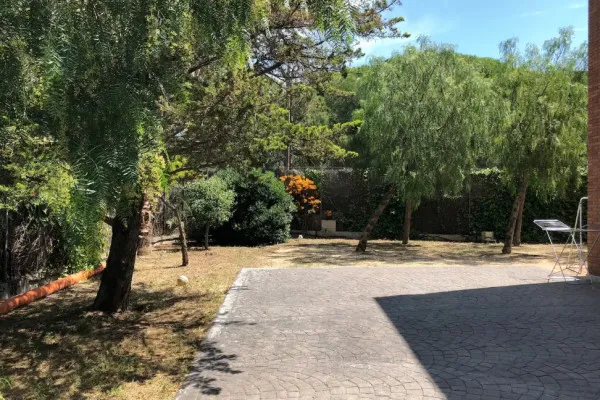
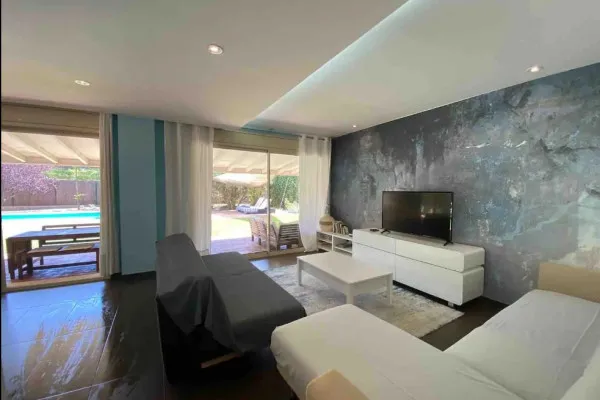
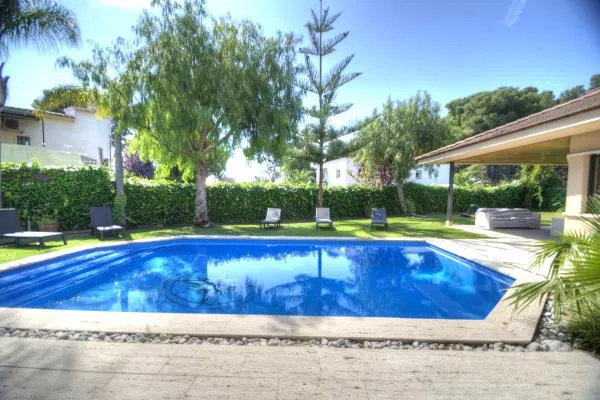
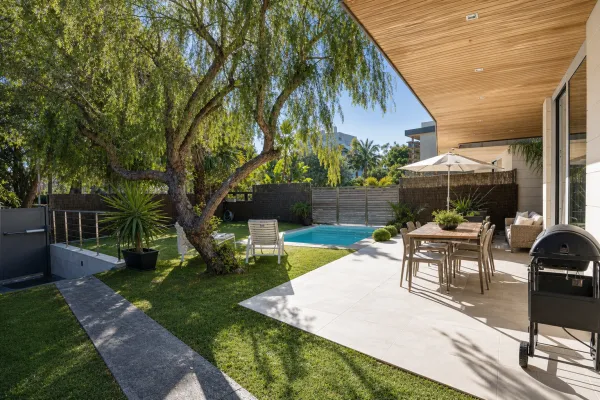
In a villa with a garden, swimming pool, and separate entrances, risks arise that a generic list for apartments might overlook: slippery paving, exterior enclosures, nighttime lighting, electrical installations near water, and remote access systems. The inventory should indicate what exists, its condition, who inspects it, and how each intervention is documented.
Single registration for platforms and obligations to guests
From July 1, 2025, the state-run Single Registry of Rentals and Digital One-Stop Shop system applies to listings within its scope that are marketed through online platforms. Your registration number must be requested through the corresponding registry channels and does not replace the Andalusian tourist registration. These are identifiers with different functions: please verify if your listing requires both, that they correspond to the same property, and that the published information is consistent.
Furthermore, those subject to Royal Decree 933/2021 must comply with the obligations of document registration and communication of guest data through the designated channel, including SES.HOSPEDAJES where applicable. Outsourcing check-in or hiring an agency does not eliminate the need to assign in writing who collects, stores, and transmits the data, within what timeframe, and with what security measures. Review the procedure also for late check-ins and reservations made by third parties.
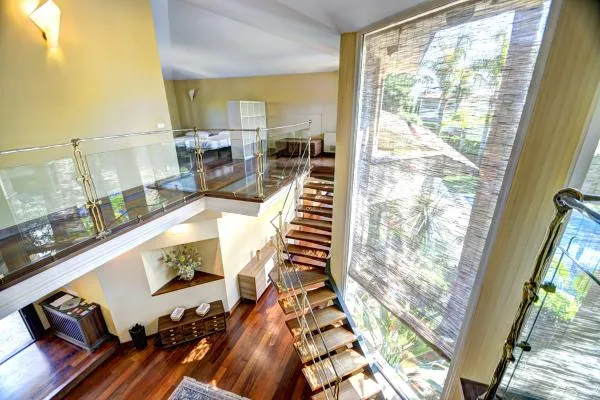
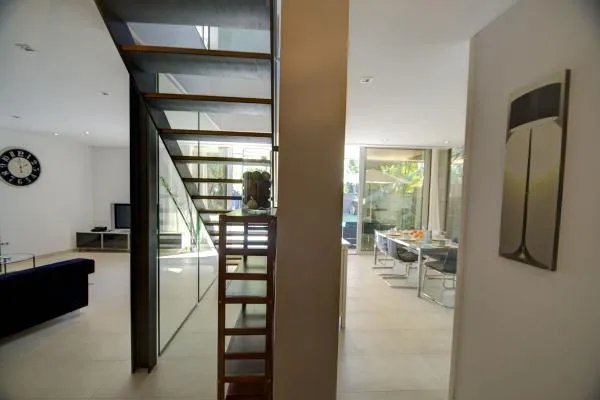
Commercial information deserves its own verification: booking and cancellation policies, displayed price, included services, deposit (if applicable), maximum occupancy, and rules of use. A precise description of the pool, stairs, and accessibility prevents misconceptions. If smart locks or security cameras are used, privacy, guest information, and device placement must also be considered; cameras in private spaces are not an acceptable solution for monitoring occupancy.
Swimming pool, insurance, taxes and incident management
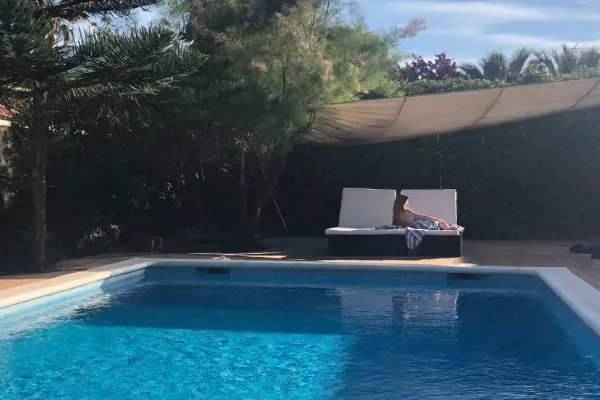
In Marbella, Las Chapas, Mijas, and Fuengirola, the swimming pool is often a deciding factor for bookings, but it also represents a significant operational risk. Determine the specific health and safety regulations applicable to that particular pool: not all private pools have identical requirements, and the fact that the villa is being rented may alter the analysis. Document maintenance procedures, required inspections, usage instructions, and appropriate preventative measures for the property. Avoid promising surveillance or services that are not provided.
Review the policy before listing: standard home insurance may not cover tourist activities, damage caused by guests, or third-party claims. Request written confirmation of the declared use, limits, exclusions, and liability coverage. Maintain a protocol for breakdowns, emergencies, neighbor complaints, and early departures, with a designated local contact person.

For tax purposes, keep track of all income, commissions, expenses, and supporting documentation, and consult the applicable tax treatment based on ownership and the services actually provided. For example, providing services typical of the hotel industry may alter the VAT treatment compared to accommodation without those services. Do not simply copy the tax structure of another villa: small operational differences can be significant.
A practical audit in three stages
- Before buying or changing the use of a property: compare the property, planning regulations, community regulations, the layout of the dwelling, and adaptation costs. If an answer is uncertain, resolve it before basing the investment on projected tourism income.
- Before publishing: finalize your tourism file, verify the required information for the platforms, review your insurance policy, security details, contract, listing, and guest registration procedures. Conduct a mock visit, simulating the arrival of a family unfamiliar with the property.
- During operation: file incident and maintenance records; review changes in community, municipality, platforms, and regulations; update registration or tourism data as needed. A review schedule is more effective than a file that is only opened during an inspection.
If management is delegated, the owner should be able to obtain copies of relevant records, service contracts, the status of procedures, and an identified responsible party for each obligation at any time. Operational delegation should not result in a lack of visibility.
What to watch out for in 2027
As of October 2026, it is not appropriate to present 2027 as the start of a supposed new and uniform licensing system for the entire Costa del Sol. What is verifiable is that regional, municipal, European, and national controls are already in place, and their practical application may evolve. Regulation (EU) 2024/1028, applicable from May 2026, establishes a European framework for the collection and exchange of data on short-term rentals; its development and the interoperability between systems warrant monitoring, but they do not, on their own, replace local checks.
Before renewing rates or accepting bookings for 2027, check if Marbella, Mijas, or Fuengirola have approved or modified any urban planning regulations affecting your area; if there are any new agreements in your community; if the Andalusian property registration reflects the current status of the property; and if the platforms request additional information to keep listings active. Always consult published texts and applicable resolutions, not headlines about proposed restrictions as if they were already in effect.

Normative sources for verifying the review
Consult the current versions and their transitional provisions before making decisions:
- Organic Law 1/2025 , for its modification of the Horizontal Property Law.
- Royal Decree 1312/2024 , on single registry and digital window.
- Royal Decree 933/2021 , on documentary registration and information obligations.
- Regulation (EU) 2024/1028 , on data relating to short-term rentals.
- For the tourist regime, check the Andalusian Decree 28/2016 and its amendment by Decree 31/2024 in the BOJA; for each property, also consult the competent town hall.








































Comments (0)